
If you have ever tasted a warm, buttery dinner roll that melts in your mouth and leaves you craving more, then you’re in for a real treat with this Parker House Rolls Recipe. These iconic rolls boast a golden crust with a soft, fluffy inside that pairs perfectly with butter, making them a beloved classic at family dinners and holiday gatherings. The magic unfolds in the simple ingredients coming together through an easy, thoughtful process that results in the most irresistible rolls you’ll ever bake at home.
Ingredients You'll Need
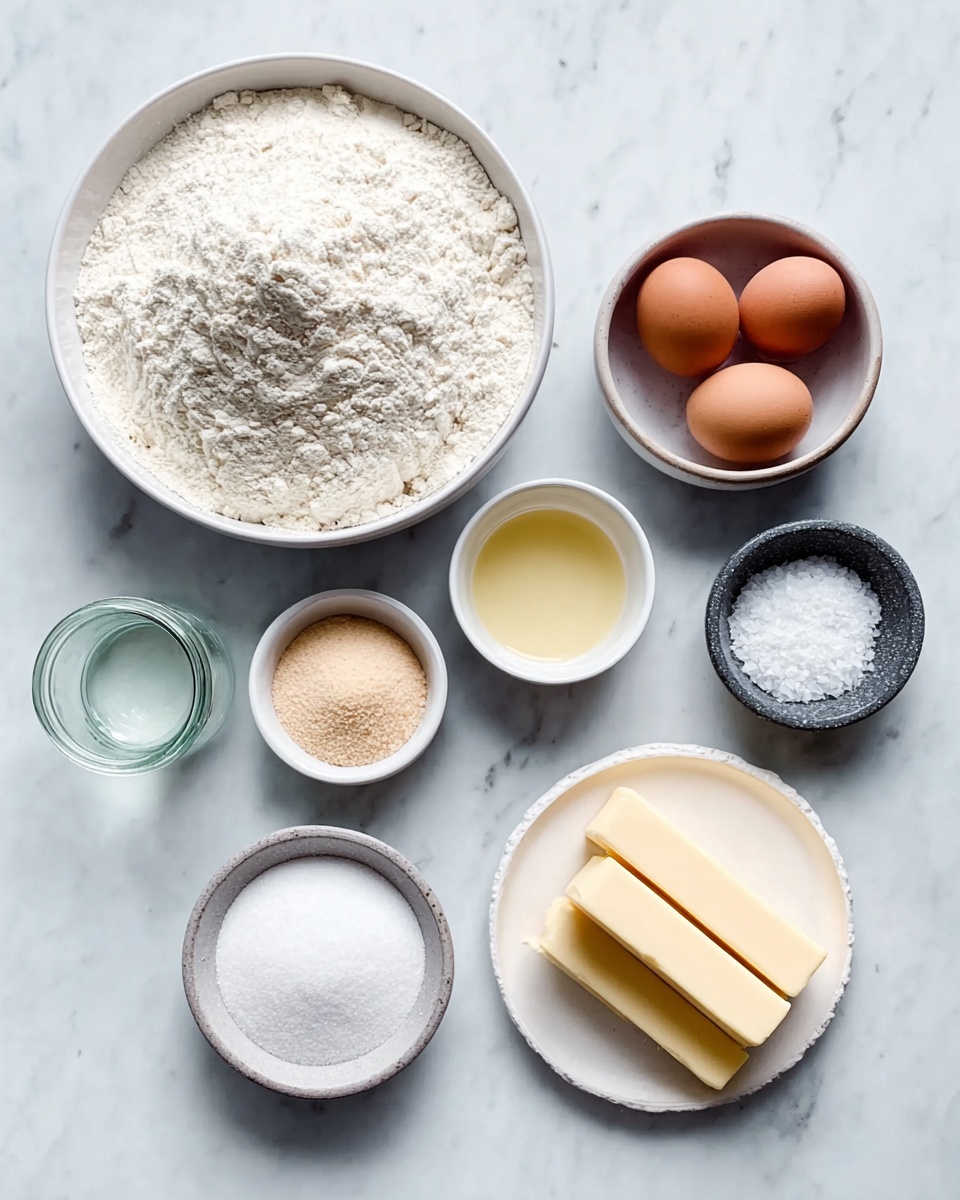
Don't be intimidated by the list; the beauty of this Parker House Rolls Recipe is how straightforward and wholesome the ingredients are. Each one brings something special to the table, from the richness of butter to the lightness of eggs, culminating in rolls that are perfectly tender and flavorful.
- Whole milk: Adds moisture and richness that contributes to the tender crumb of the rolls.
- Salted butter: Used generously for flavor and buttery layers, it also ensures a golden crust.
- Sugar: A touch of sweetness to balance the buttery richness and help the yeast activate.
- Active dry yeast: The key leavening agent that gives these rolls their soft, airy texture.
- Eggs: They enrich the dough, adding structure and a lovely golden color.
- All-purpose flour: The base of the dough, providing structure needed for fluffy but sturdy rolls.
- Vegetable oil: For greasing the bowl, ensuring the dough rises without sticking.
- Flaky salt: Sprinkled on top just before serving, it adds a perfect pop of savory flavor.
How to Make Parker House Rolls Recipe
Step 1: Warm the milk and melt the butter
Start by gently heating the whole milk and half of your butter over low heat until the butter melts completely. Stir in the sugar, then take the mixture off the heat and let it cool to room temperature. This ensures your yeast will activate properly without being killed by heat, setting the stage for light and fluffy rolls.
Step 2: Activate the yeast
In a small bowl, combine the yeast with warm water at about 110°F and let it rest until foamy—around two minutes. Watching the yeast bubble up is like a little sign that your rolls will rise beautifully!
Step 3: Mix the dough
Using a stand mixer fitted with a dough hook, add the cooled milk mixture, eggs, yeast mixture, and half the flour. Start mixing on low until everything combines smoothly. Gradually add the remaining flour and increase to medium speed. Knead the dough for about 5 to 7 minutes until it feels elastic and smooth. This kneading step develops the gluten, which gives the rolls their wonderful chew.
Step 4: First rise
Grease a large bowl with vegetable oil and place your dough inside. Cover with plastic wrap, allowing it to rise at room temperature until doubled in size—this usually takes about 1½ to 2 hours. If you’re prepping ahead, you can also let it rise slowly in the fridge for 12 to 24 hours, which deepens the flavor.
Step 5: Shape the rolls
While the dough is rising, melt the rest of your butter and grease a 9x13-inch baking dish. Punch down the risen dough, transfer to a floured surface, and divide it into four equal pieces. Roll each piece into a 12x8-inch rectangle, then cut lengthwise and crosswise into smaller rectangles. Brush each piece with melted butter, fold it over with a slight overlap, and arrange them snugly in the baking pan in rows of six by eight. This folding and overlapping give the rolls their classic layered look and help them pull apart easily after baking.
Step 6: Second rise
Brush the tops with more melted butter, cover again with plastic wrap, and let your rolls rise for another 30 to 40 minutes at room temperature until they puff up beautifully. Alternatively, chill them in the fridge for up to overnight, which makes them incredibly convenient for holiday meal prep.
Step 7: Bake to golden perfection
Preheat the oven to 375°F and place a rack in the center. Bake the rolls for 20 to 25 minutes until golden brown and irresistibly fragrant. As soon as they come out, brush on melted butter and sprinkle flaky salt for that final touch that makes these rolls utterly addictive.
How to Serve Parker House Rolls Recipe

Garnishes
While a simple brush of melted butter and flaky salt is the classic way to finish these rolls, you can also experiment with fresh herbs like rosemary or thyme sprinkled on top before baking for an herby twist that’s perfect with savory meals.
Side Dishes
Parker House Rolls are versatile and crowd-pleasing. They shine alongside roasted turkey, glazed ham, or slow-cooked beef. They also make a fantastic companion for creamy mashed potatoes, richly flavored soups, or a bright, crisp salad.
Creative Ways to Present
Serve the rolls warm in a beautiful bread basket lined with a cloth napkin to keep them cozy. For special occasions, slice them open and fill with honey butter or tangy jam for a delightful surprise on the breakfast table or brunch spread.
Make Ahead and Storage
Storing Leftovers
Leftover Parker House rolls keep best in an airtight container at room temperature for up to two days. To keep them soft, you can wrap them tightly in foil after reheating or store them with a damp paper towel inside the container to maintain moisture.
Freezing
These rolls freeze wonderfully. After baking, let them cool completely, then freeze in a sealed freezer bag or container for up to three months. When you want to enjoy them again, just thaw at room temperature or warm gently in the oven.
Reheating
Reheat the rolls by wrapping them in foil and placing them in a warm oven (about 300°F) for 10 to 15 minutes. For an even quicker fix, microwave a roll wrapped in a damp paper towel for about 15 seconds to bring back soft, buttery goodness.
FAQs
Can I use instant yeast instead of active dry yeast?
Yes, you can substitute instant yeast for active dry yeast in this recipe. Use slightly less, about 2¼ teaspoons, and add it directly to the flour without proofing. The dough may rise faster, so keep an eye on it.
Why is the dough sticky? Should I add more flour?
A slightly sticky dough is normal and actually helps keep the rolls tender. Resist the urge to add too much extra flour during kneading; only add a little if it’s unmanageably sticky, or you’ll end up with dense rolls.
Can I make these rolls without a stand mixer?
Absolutely! You can mix and knead the dough by hand on a floured surface. It might take a bit more elbow grease, but the results will be just as delicious.
How long will the rolls stay fresh after baking?
Freshly baked Parker House rolls are best enjoyed the same day but will stay fresh for about 2 days at room temperature if properly stored. Beyond that, freezing is your best option to maintain softness.
What’s the secret to the buttery layers in these rolls?
The secret lies in brushing each piece with melted butter before folding and arranging them closely together. This layering technique creates that tender pull-apart texture that makes Parker House rolls so unique and delicious.
Final Thoughts
These Parker House Rolls Recipe have a special place in my heart because they capture the perfect blend of comforting, buttery goodness and tender, fluffy crumb that makes every meal feel like a celebration. Once you try making them at home, you’ll understand why they’ve been a beloved classic for generations. So grab your ingredients and get ready to create warm, flaky rolls that bring smiles and requests for seconds at your table.
Print
Parker House Rolls Recipe
- Total Time: 4 hours
- Yield: 48 rolls
Description
Classic Parker House Rolls featuring a soft, buttery texture and golden crust, perfect for serving warm with extra melted butter and flaky salt. These rolls have a tender crumb and a slight sweetness, making them an ideal accompaniment to any meal or holiday feast.
Ingredients
Dough Ingredients
- 1½ cups whole milk
- 1 cup (2 sticks) salted butter, plus more for greasing and serving
- ¼ cup sugar
- 1 package active dry yeast (about 2¼ teaspoons)
- 3 large eggs
- 6 cups all-purpose flour, plus more for dusting
- ½ cup warm water (110°F) for yeast activation
- 2 teaspoons vegetable oil (for greasing bowl)
For Serving
- Flaky salt, for sprinkling
- Melted butter, for brushing warm rolls
Instructions
- Prepare the milk and butter mixture: Heat the milk and ½ cup of the butter in a small saucepan over low heat until the butter is melted. Remove from heat and stir in the sugar. Allow to cool to room temperature to avoid killing the yeast.
- Activate the yeast: In a small bowl, combine the active dry yeast with ½ cup of warm water (110°F). Let sit for about 2 minutes until the mixture becomes foamy, indicating the yeast is active.
- Mix the dough: In the bowl of a stand mixer fitted with a dough hook, add the cooled milk mixture, eggs, yeast mixture, and 3 cups of flour. Mix on low speed until the batter is smooth. Gradually add the remaining 3 cups of flour and increase mixing speed to medium. Knead the dough for 5-7 minutes until it becomes smooth and elastic.
- First rise: Grease a large bowl with vegetable oil and transfer the dough into it. Cover loosely with plastic wrap and let it rise at room temperature until it doubles in size, approximately 1½ to 2 hours. Alternatively, refrigerate it to rise slowly for 12 to 24 hours.
- Shape the rolls: Melt the remaining ½ cup of butter. Grease a 9x13-inch baking dish with some melted butter. Punch down the risen dough and place it on a floured surface. Divide into 4 equal pieces. Roll each piece into a 12x8-inch rectangle, cut lengthwise into two 12x4-inch strips, then cut each strip into 6 pieces. Brush each piece with melted butter, fold it in half with a ¼-inch overhang, and arrange in the baking dish with overlapping edges, forming 6 rows of 8 rolls.
- Second rise: Brush the tops of the arranged rolls with remaining melted butter. Cover with plastic wrap and let rise at room temperature until doubled in size, about 30-40 minutes. Alternatively, refrigerate for 6 hours up to overnight for a slower rise.
- Bake the rolls: Preheat the oven to 375°F (190°C) with a rack in the center. Bake the rolls for 20-25 minutes until golden brown. Remove from oven and while still warm, brush with melted butter and sprinkle with flaky salt before serving.
Notes
- For best flavor, allow the dough to rise slowly in the refrigerator overnight during either rise phase.
- Use a stand mixer with a dough hook for easier kneading; however, kneading by hand for 10-12 minutes also works.
- Make sure milk-butter mixture is cool before adding yeast to avoid killing yeast.
- Flaky salt topping is optional but adds a nice contrast to the rich butter flavor.
- These rolls freeze well; slice and freeze before the second rise for easy future baking.
- Prep Time: 20 minutes
- Cook Time: 25 minutes
- Category: Bread
- Method: Baking
- Cuisine: American


Leave a Reply